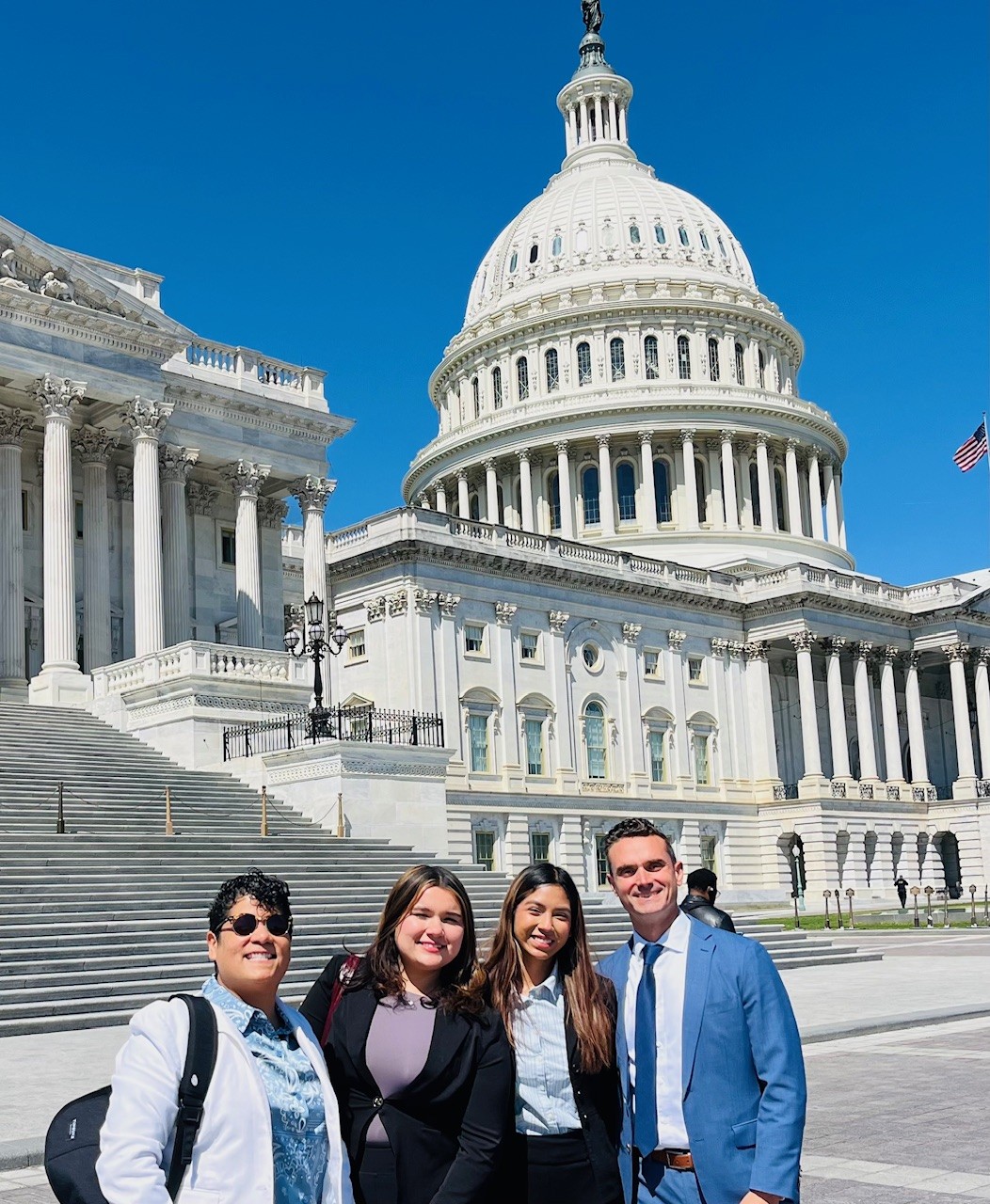
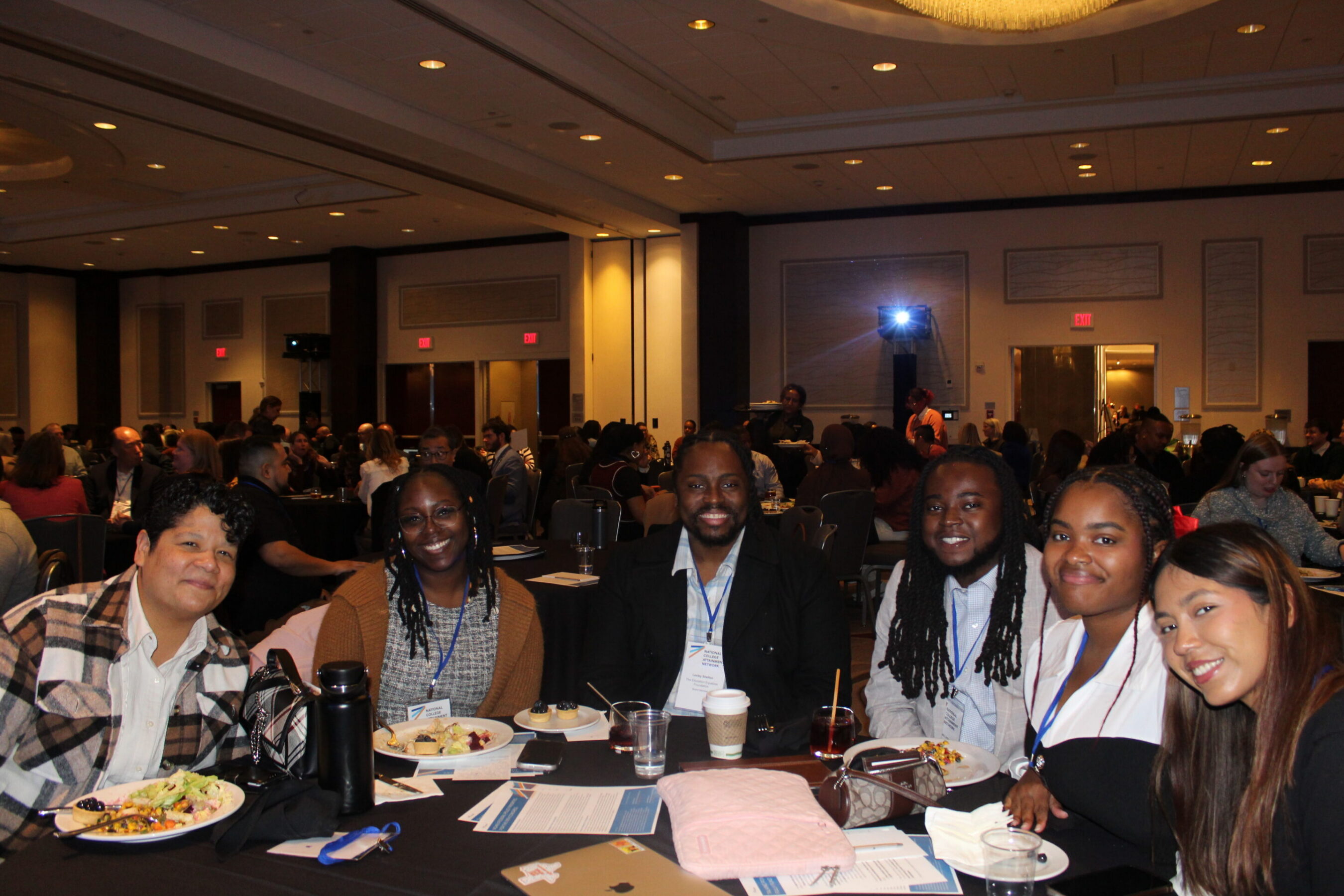
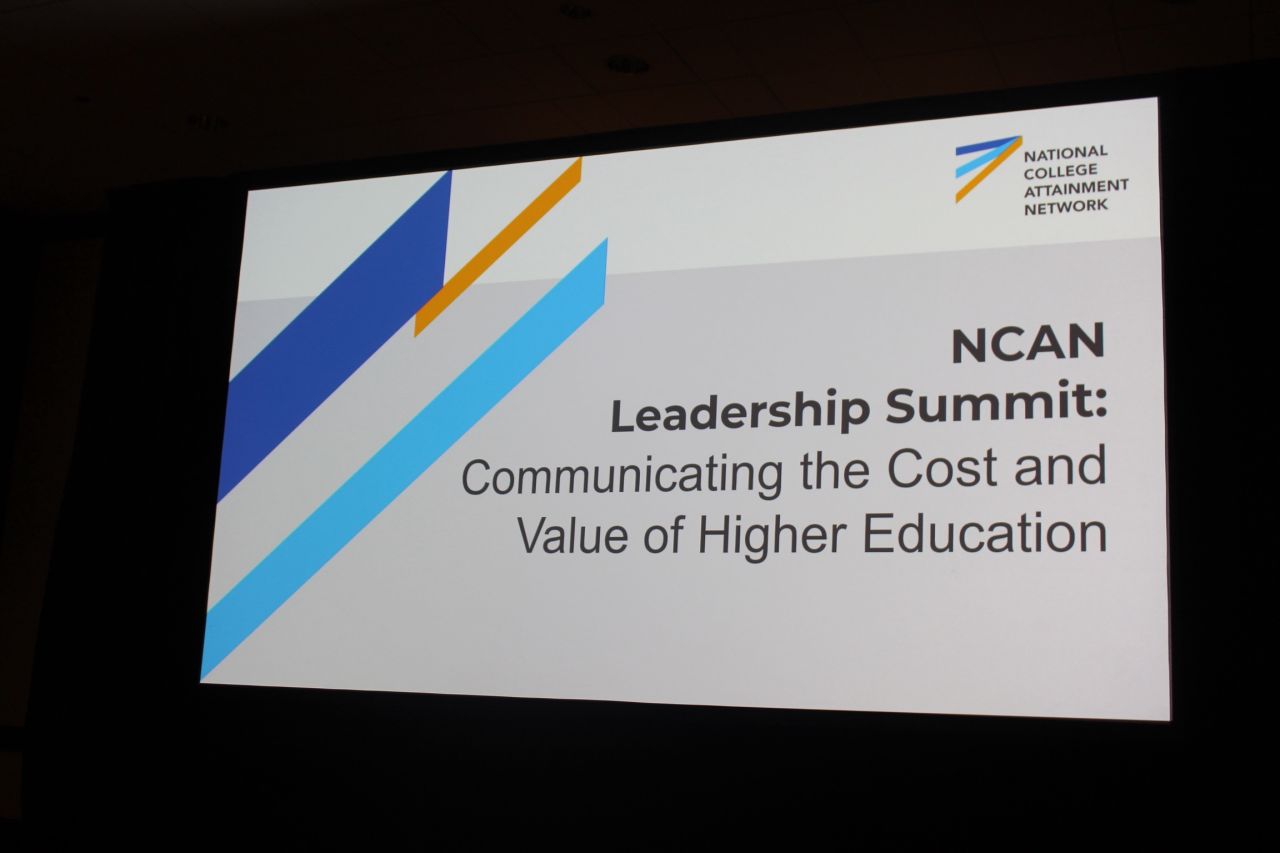
In April, Breakthrough Central Texas traveled to Washington, D.C. for the National College Attainment Network (NCAN) Leadership Summit, joining hundreds of advocates from across the country committed to expanding college access and success. Building on the success of last year’s inaugural event, the two-day Summit featured an Executive Leadership Retreat for 50 program leaders, a Policy Seminar featuring panels on Pell Grant funding, cost and value transparency, and advocacy strategy, plus hands-on advocacy training, networking, and meetings on Capitol Hill.
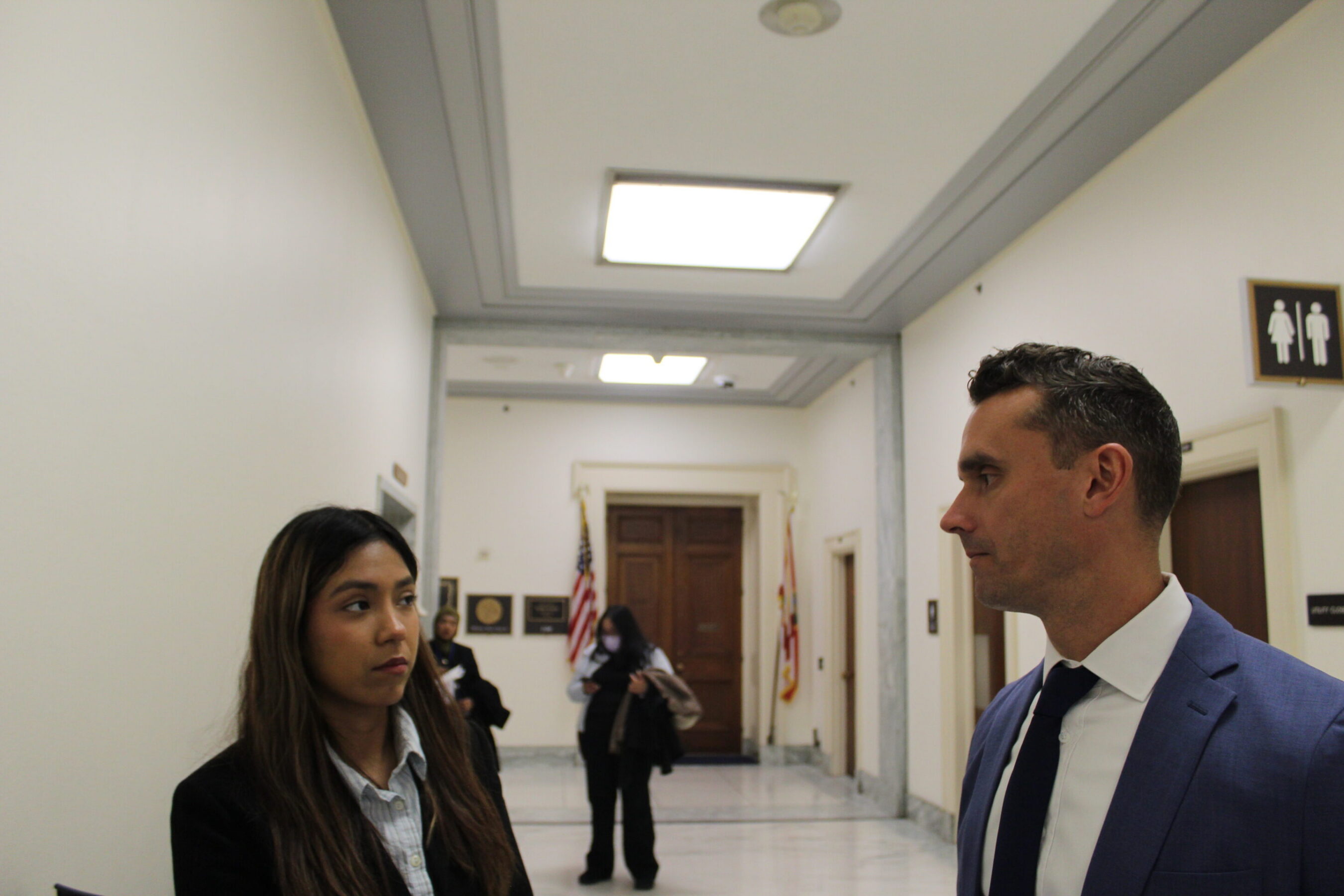
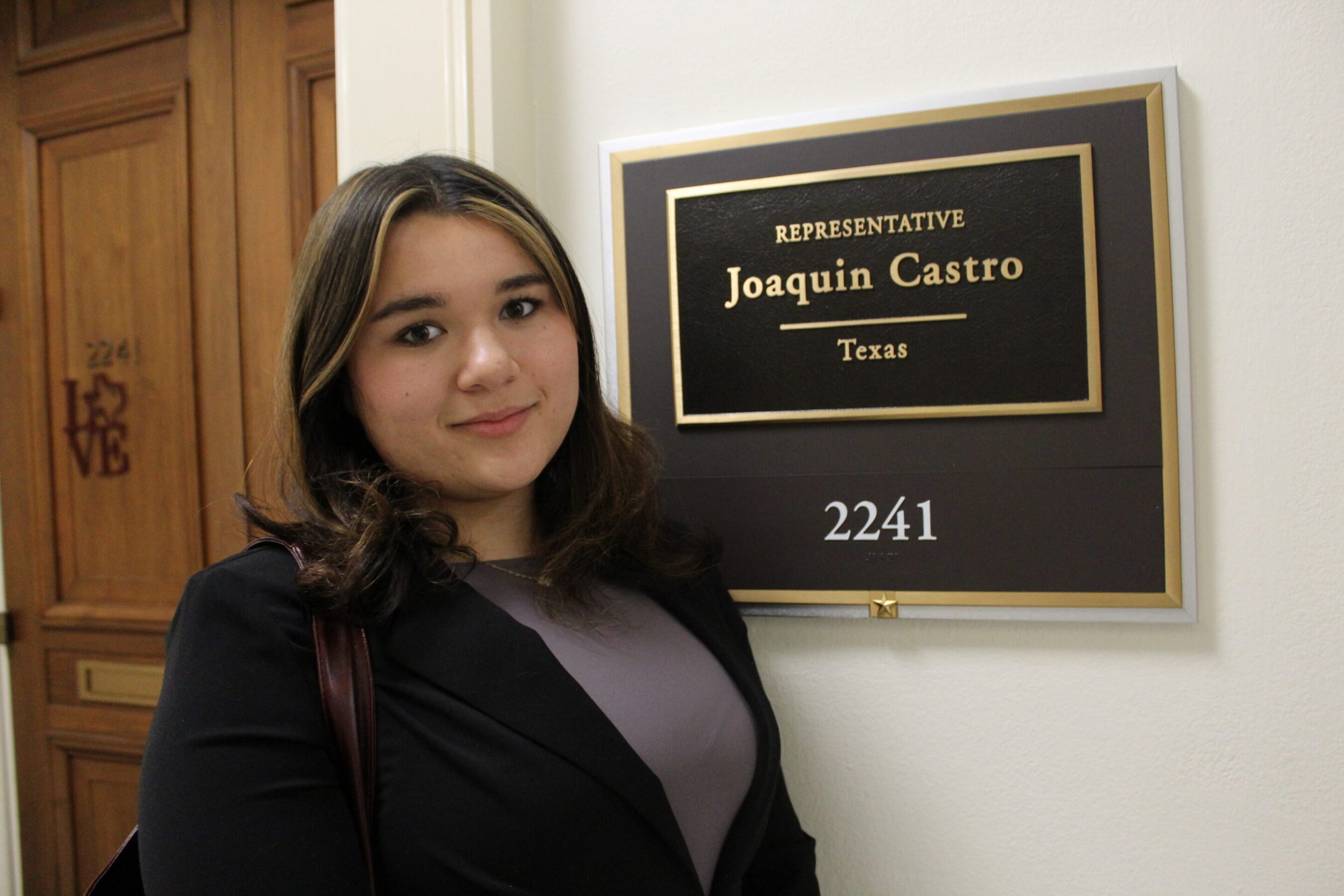
For us, this trip was about more than attending sessions. It was about putting our model of student-led advocacy into action. Alongside national partners, we trained in storytelling, policy strategy, and effective advocacy, then took those lessons directly to Capitol Hill. There, our students met with congressional offices to advocate for one of the most important tools for college affordability: the Pell Grant.
Our Approach: Advocacy Rooted in Student Voice
At Breakthrough Central Texas, policy advocacy is not separate from our work with students. It is an extension of it. We believe the most effective advocacy:
- centers the lived experiences of students and families
- combines data with personal narrative
- builds coalitions across organizations and sectors
- operates across local, state, and federal levels
Over the last couple of years, we’ve invested deeply in this approach through our Advocacy Fellows program and partnerships like the Texas PACE Student Advisory Council. Students build skills in policy analysis, storytelling, and direct advocacy, then use those skills to engage decision-makers. At NCAN, that preparation came to life.
Why the Pell Grant?
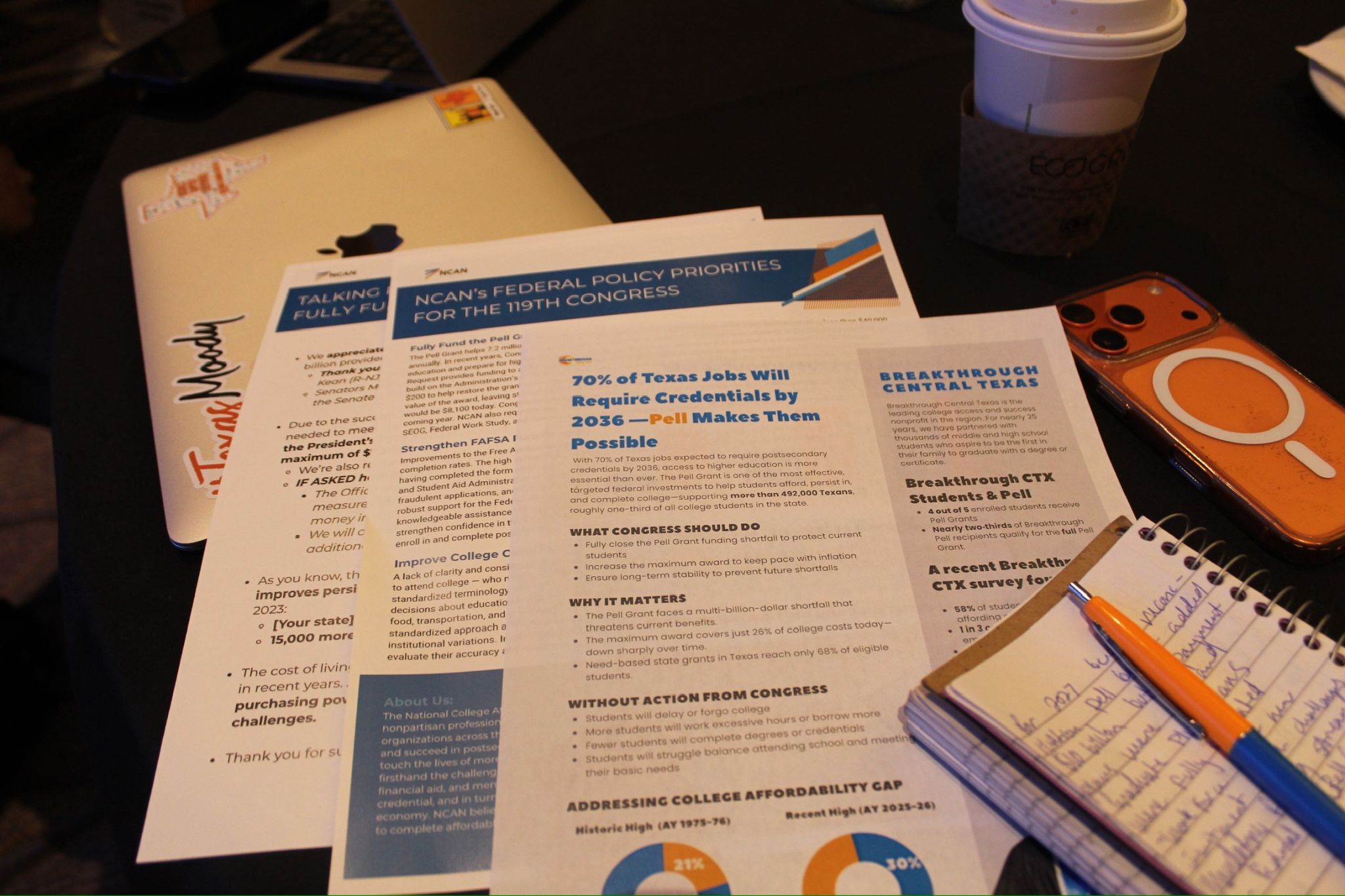
The focus of our advocacy on the Hill was clear: to protect and strengthen the Pell Grant. The Pell Grant is the largest source of federal grant aid for college students and one of the most targeted investments in increasing college access. It supports millions of students nationally, including more than 492,000 Texans, many of whom are the first in their families to attend college. But today, the program faces a funding shortfall, forcing policymakers to choose between increasing investment or cutting eligibility and benefits. For Breakthrough students, the stakes are clear:
- 4 out of 5 Breakthrough students rely on Pell Grants
- Nearly two-thirds of those students receive the maximum award
Yet the maximum Pell Grant now covers only a fraction of the true cost of attending college. Without action from Congress, millions of students, including those at Breakthrough Central Texas, may be forced to delay enrollment, take on more debt, or stop out altogether. That is why our advocacy aligned with NCAN’s national priorities:
- fully close the Pell funding shortfall
- increase the maximum award to keep pace with inflation
- protect eligibility and ensure long-term stability
What We Learned on Capitol Hill
The summit reinforced something we emphasize in our student leadership work: policy is shaped by people, and stories matter. Through advocacy training and Hill meetings, Breakthrough students got real, high-stakes experience in how to:
- communicate complex policy issues clearly and concisely
- connect data to real student experiences
- tailor messages to different audiences
- work collectively to deliver a unified message
Summit participants collectively held over 125 meetings with Members of Congress and their staff. Across these conversations, there was a clear message for policymakers: maintaining and strengthening Pell Grant funding is critical to expanding postsecondary access. Students’ stories are part of the policy conversation. Students are not just beneficiaries of policy. They are experts in it.
Student Reflections
After our trip to D.C. this April, I learned multiple things about advocacy and gained valuable experience in public speaking. I learned that advocacy works best through group effort because everyone brings a different piece to the argument.
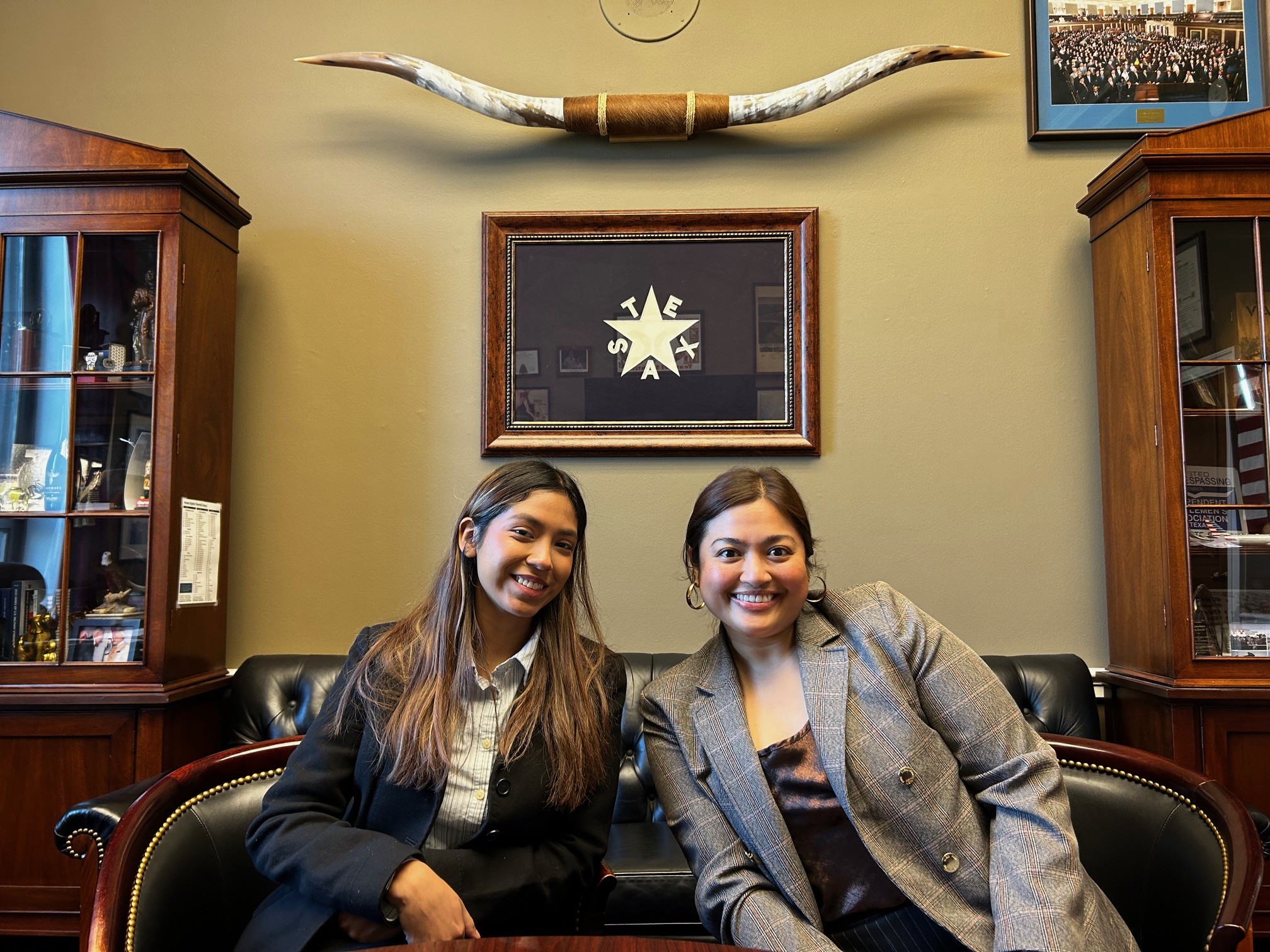
The Breakthrough team leaned on all of us to craft a clear, concise call to action. Will explained who we were as an organization; I shared facts and statistics about Texas’s need for the Pell Grant and Breakthrough’s specific use; Magaly discussed her personal experience with the Pell Grant and how it propelled her education; and Arelis shared the impact she sees as an educator.
I learned that advocacy is something that I value and that I have the power to speak up for others who may not have the opportunity to do so. Communication is so important, and I’ve seen my confidence grow since attending the conference.
The current policymaking landscape is crowded with lobbyists and advocates. However, I want to see more policies that benefit lower-income individuals and those who may not directly benefit lawmakers but still contribute to the economy through education and work.
After this experience, I plan to continue focusing on policy and law and to keep advocating at both the state and federal levels for educational equity.
– Reyhan K., Breakthrough Student Advocate
During my time in Washington, D.C., I had the opportunity to learn more about advocacy and what it means to advocate for not just myself but for other students as well.
I learned that advocating is more direct and precise when done in a group. We had someone focusing on the hard data that justifies the policy, but we also included a human narrative that makes the policy briefing something a representative remembers.
I’ve learned that I cannot fix every systemic issue at once, but I can advocate for targeted policy work. As it was my first time advocating for the Pell Grant, I saw how it creates access to higher education and helps bridge the gap between social problems and legislative solutions.
Communication is the greatest skill in this work, and success is not always measured by a signed bill by the end of the week. Sometimes success is the progress made, even if it is just a few inches.
Moving forward, I plan to keep educating myself, stay involved in my community, and continue advocating for policy change as I work toward my goal of becoming a lawyer.
– Magaly R., Breakthrough Student Advocate